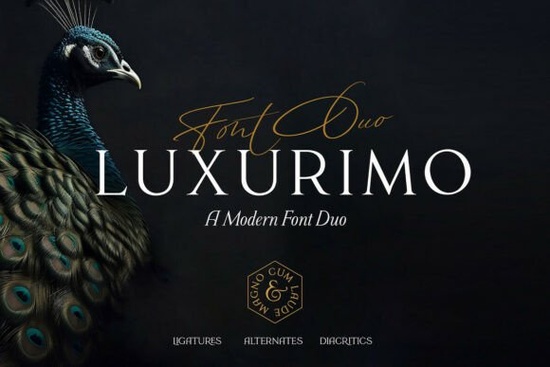
If you need a reliable typeface pairing that handles both formal headlines and personal touches, Luxurimo Font gives you a clean serif and a flowing script in one download. Instead of hunting for two separate families and hoping they match, this bundle saves time by offering styles designed to work together. Designers, small shop owners, and crafters use it for wedding invitations, boutique packaging, and social graphics because the letterforms stay readable at small sizes while looking polished on large prints.
What makes this serif and script pairing work so well?
The serif side features balanced proportions and subtle contrast, keeping text sharp on screens and paper. The script companion mimics natural handwriting without the messy overlaps that often ruin layout spacing. When placed together, the clean structure of the serif grounds the playful curves of the script. You will also notice consistent baseline alignment and well-kerned characters, which means less manual tracking adjustment in Illustrator or Canva. For more examples of how structured serifs can anchor a layout, you might want to browse our notes on working with modern serif typefaces in everyday design projects.
Which projects benefit most from this typeface combo?
This duo fits anywhere you want a refined look without sacrificing readability. Common use cases include:
- Wedding stationery: Menus and seating charts look cohesive when the serif handles details and the script highlights names.
- Boutique branding: Logo marks and product labels gain a quiet luxury feel that photographs well online.
- Print-on-demand goods: Tote bags and art prints sell better when the typography feels intentional.
- Digital content: Instagram carousels and email headers stay legible on mobile while keeping a polished aesthetic.
Small business owners often pair this style with muted colors and plenty of white space. If you prefer something with a softer, more romantic feel for seasonal products, you can also compare it with options like this gentle serif alternative that leans into a sweeter mood.
How do you install and use the files in your favorite software?
After downloading, you will typically find OTF and TTF files. Installation is straightforward on Mac and Windows. Double-click the file and select install, or drag the fonts into your system folder. Restart your design app so the new styles load properly. When setting up a layout, start with the serif for body text and headings. Use the script sparingly for accents or short phrases. Keep line height generous and avoid stretching letters horizontally. For Cricut or Silhouette users, convert text to outlines before cutting. Designers who regularly switch between bold display styles and delicate handwriting often keep a shortlist of reliable pairs, and you can see how another popular serif combination handles similar layout challenges.
What should you check before purchasing a font bundle?
Not all packages include the same assets, so a quick review saves frustration later. Look for these details:
- File formats: OTF and TTF cover most design programs.
- Licensing terms: Commercial use usually covers physical products, but some licenses restrict print-on-demand marketplaces.
- Glyph coverage: Check for punctuation, numbers, and multilingual support if you design for international clients.
Reading the license carefully is especially important for shops that sell templates or physical goods. You can also explore the official listing for Luxurimo Font to verify current pricing, file contents, and usage rights before adding it to your toolkit.
How do you get consistent results across print and digital?
Stick to two sizes for headings and one size for body copy. Use the script for no more than five words per layout. Pair the fonts with simple shapes and high-resolution photography. When printing, test a small sample on your actual paper stock. Matte finishes tend to soften fine serifs, while glossy paper keeps edges sharp. Adjust tracking slightly if the ink spreads. Keep a master template with your chosen colors, margins, and font styles already set. This cuts production time in half when preparing a seasonal launch or client draft.
Quick setup checklist before you start designing:
- Install both OTF/TTF files and restart your design software.
- Verify the commercial license matches your intended sales channel.
- Set paragraph styles for the serif and create a separate character style for the script.
- Print a test sheet at 100% scale to check spacing and ink coverage.
- Save a branded template file so future projects stay consistent.
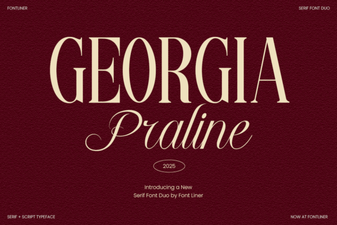 Georgia Praline Font: Design & Creative Applications
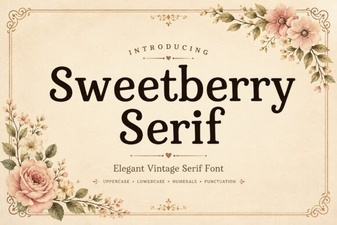 Elevate Your Projects with the Sweetberry Serif Font
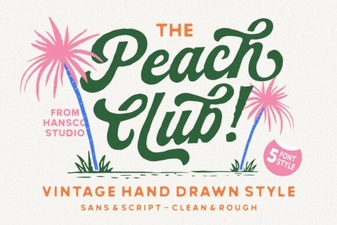 Peach Club Font: a Creative Design Resource
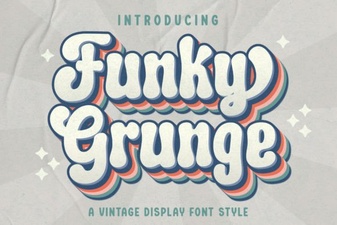 Free & Bold Funky Grunge Fonts for Creative Projects
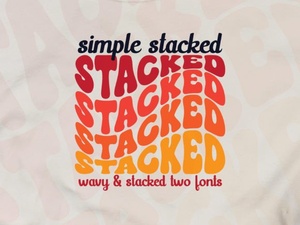 Simple Stacked Font Designs & Creative Applications
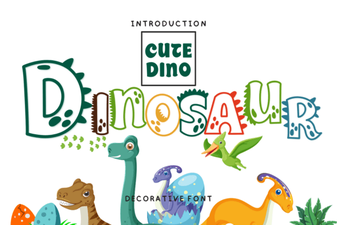 Design Your Project with a Dinosaur Font