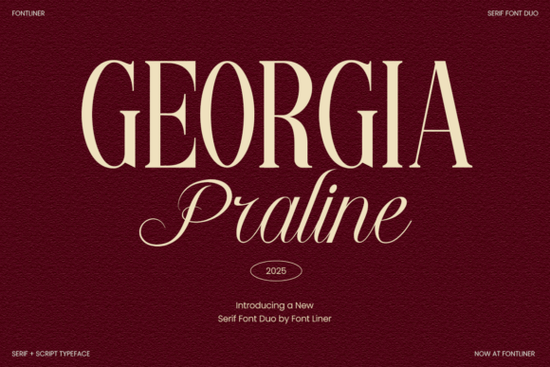
If you are looking for a reliable typeface that balances structure with a softer handwritten feel, the Georgia Praline Font delivers exactly that. This serif and script duo was built to handle both headlines and supporting text without competing for attention. Designers, small business owners, and crafters often reach for this kind of pairing when they need a polished look that still feels approachable. The serif side keeps your message clear and readable, while the script adds a gentle, personal touch that works well on everything from wedding stationery to product labels.
What makes this serif and script combination work so well?
Most font pairings fail because the two styles clash or share too many visual traits. This duo avoids that problem by keeping weights and proportions intentionally balanced. The serif characters carry steady vertical stress and clean terminals, which helps longer lines stay legible at smaller sizes. The script counterpart uses smooth connecting strokes and modest swashes, so it reads as elegant rather than overly decorative. When you place them together, the contrast feels natural. You get authority from the structured letters and warmth from the flowing ones, which is exactly what premium branding and editorial layouts require. If you enjoy working with refined type families, you might also want to browse options like the Luxurimo collection when you need a slightly heavier baseline for print work.
Which projects benefit most from this typeface?
Not every design needs a dual-style font, but certain formats rely on that exact balance. Here is where this pairing tends to perform best:
- Wedding and event stationery: Use the script for names and dates, then switch to the serif for venue details and RSVP instructions.
- Small business branding: The serif works cleanly on business cards and website headers, while the script adds a signature feel to logos and social graphics.
- Print-on-demand products: Mugs, tote bags, and art prints read better when decorative letters are kept short and supported by highly legible serif text.
- Packaging and labels: Premium cosmetic boxes, candle jars, and food labels need clear ingredient lists paired with a stylish product name.
When you are testing layouts for these formats, keep the script usage under thirty percent of the total text. That simple ratio prevents the design from feeling crowded and keeps the focus on your main message.
How do you pair and format these letters for clean results?
Good typography comes down to spacing, hierarchy, and restraint. Start by setting your base serif text at a comfortable reading size, usually between ten and twelve points for print or sixteen pixels for screens. Increase the line height slightly if you are working with longer paragraphs. When you introduce the script style, treat it as an accent rather than a body font. Capital letters in connecting scripts can sometimes create awkward gaps, so adjust the kerning manually until the curves flow smoothly into the next character. If you prefer a softer, more rounded serif for contrast, the Sweetberry serif family offers a friendly alternative that pairs nicely with delicate scripts. Always preview your layout at actual size before exporting, since screen rendering can hide spacing issues that become obvious in print. When you are testing how the Georgia Praline showcase renders on different paper stocks, printing a small proof will save you revision time later.
What should you check before adding a new font to your toolkit?
Downloading a typeface is only the first step. Before you install the files, verify a few practical details. Check whether the package includes both desktop and web formats, especially if you plan to use the letters across print materials and a live website. Review the commercial license to confirm it covers your intended use, whether that means client work, digital products, or physical merchandise. Test the font in your preferred design software to make sure the OpenType features, ligatures, and alternates load correctly. You can explore the full Georgia Praline Font listing to see the complete character set and licensing terms. Keep your workflow organized by storing font files in a clearly labeled folder and noting the version number so updates do not overwrite active projects.
Before you finalize your next layout, run through this quick checklist:
- Confirm the serif handles body text clearly at your chosen size.
- Limit script usage to headlines, signatures, or short accent phrases.
- Adjust kerning around capital letters and punctuation marks.
- Export a test print or high-resolution PDF to check spacing and weight.
- Verify your license covers commercial sales if you are listing products online.
Save a few layout templates with these settings already applied. When your next client request or product launch comes in, you will spend less time adjusting letters and more time finishing the design.
Download Now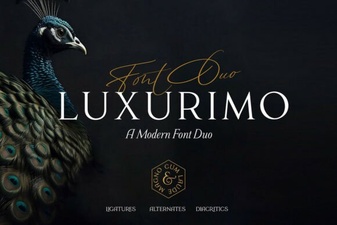 Elevate Your Designs with Luxurimo Premium Font
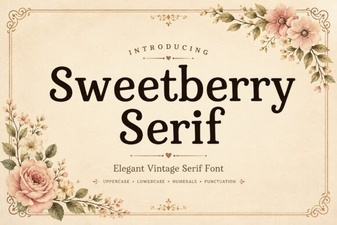 Elevate Your Projects with the Sweetberry Serif Font
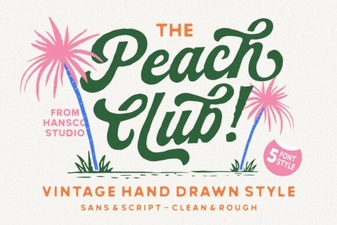 Peach Club Font: a Creative Design Resource
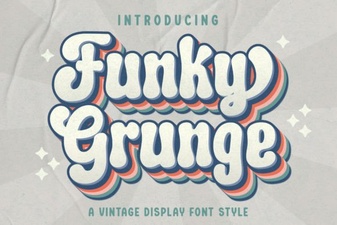 Free & Bold Funky Grunge Fonts for Creative Projects
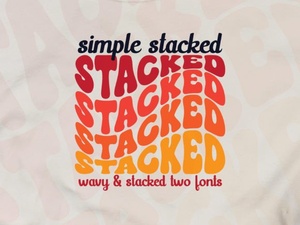 Simple Stacked Font Designs & Creative Applications
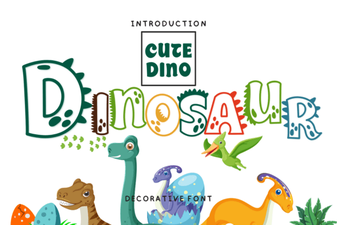 Design Your Project with a Dinosaur Font