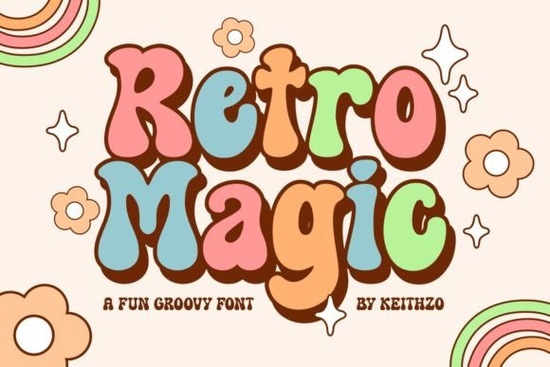
If you need a typeface that brings nostalgic charm without looking dated, Retro Magic Font delivers exactly that. It’s a playful display font built for headlines, greeting cards, and branding materials that need warmth. The letterforms carry a smooth, vintage rhythm that feels romantic and refined, making it a reliable choice for crafters, print-on-demand sellers, and small business owners.
What makes this retro typeface work for modern projects?
Retro styling often walks a fine line between charming and cluttered. This font stays balanced by keeping curves clean and spacing consistent. The slightly rounded edges and even weight distribution ensure it reads well at larger sizes, perfect for posters, packaging, or social media graphics. Unlike heavily distressed vintage typefaces that blur when scaled down, this design maintains sharp edges and predictable kerning. That consistency saves time during layout adjustments. You can also browse the retro magic font display fonts gallery to compare alternate glyphs and spacing samples.
Where does it fit best in your design workflow?
Display fonts grab attention, but they work hardest when used strategically. Reserve this typeface for short phrases, product titles, or decorative accents. It pairs naturally with minimalist layouts, where the contrast between a bold retro headline and clean body text creates visual hierarchy. If you’re building a seasonal collection or designing wedding stationery, the romantic undertones blend smoothly with floral illustrations. For creators who experiment with different display styles, you might also explore how a simple stacked layout can complement retro lettering on tote bags or sticker sheets.
How do you pair it without cluttering your layout?
Typography pairing comes down to contrast and purpose. Since this font carries strong personality, let it lead the composition while supporting text stays neutral. A clean sans-serif or light serif works well for paragraphs, disclaimers, or pricing details. When designing for print-on-demand products, keep the retro typeface above or below your main graphic rather than wrapping it around complex illustrations. If you’re working on athletic merch, you might compare its vibe with a collegiate lettering style to see which matches your brand voice. For softer projects like baby shower invites, testing it alongside a gentle script alternative can help you find the right tone.
What should you check before downloading?
Not every font file includes the same features, so a quick review saves frustration later. Look for:
- Character set coverage: Verify that uppercase, lowercase, numbers, and basic punctuation are included.
- File formats: OTF and TTF files cover most design software, while WOFF versions are needed for web use.
- Licensing terms: Check whether the license covers personal projects, commercial sales, or print-on-demand platforms.
- Language support: Confirm that accented characters match your target audience if you design for international markets.
When testing layout options, you might also preview how a flowing stacked arrangement interacts with retro headlines on curved mockups. Small line height adjustments often make the difference between a polished design and one that feels cramped.
Quick setup tips for clean results
Getting the most out of any display typeface comes down to preparation. Before you commit to a final design, run through these steps:
- Install the font file and restart your design software to avoid missing glyph errors.
- Set your headline size between 48pt and 120pt for optimal readability on both screen and print.
- Adjust tracking slightly tighter for all-caps layouts, but leave standard spacing for mixed case.
- Export a high-resolution PDF or PNG and check edge sharpness at 100% zoom.
- Run a quick color contrast check if you plan to use the font on dark or textured backgrounds.
If you want to explore more options from the same marketplace, you can browse Retro Magic Font directly to compare file versions and licensing details.
Keeping your font library organized and your licensing clear will help you move faster on client work. Before you start your next project, run through this quick checklist:
- Confirm the license covers your intended sales channel or client deliverable.
- Test the font at actual print size to catch any spacing issues early.
- Pair it with one neutral typeface to maintain visual balance.
- Save a styled text preset in your design software for consistent reuse.
- Export a test print on your target material to check ink coverage and edge clarity.
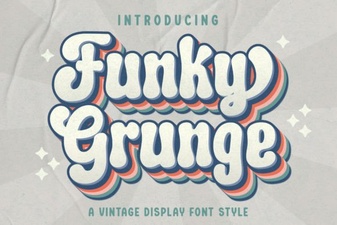 Free & Bold Funky Grunge Fonts for Creative Projects
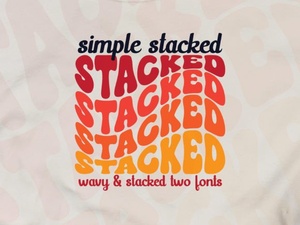 Simple Stacked Font Designs & Creative Applications
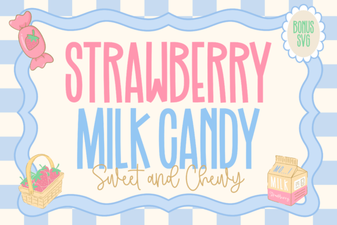 A Strawberry Milk Candy Font Design Guide
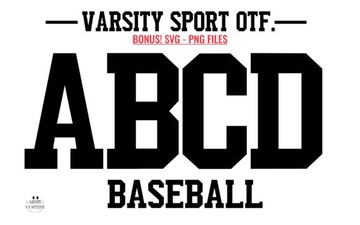 Army Font Designs for Varsity Sport Projects
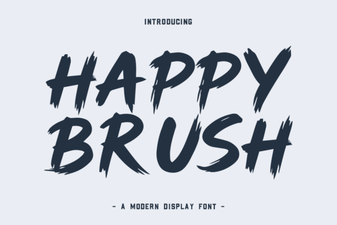 A Creative Brush Font for Modern Designs
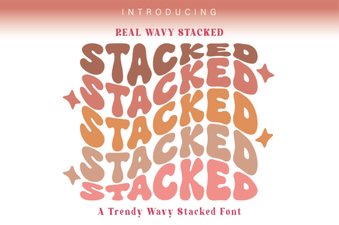 Wavy Stacked Fonts for Creative Typography Projects